History Frozen in Time
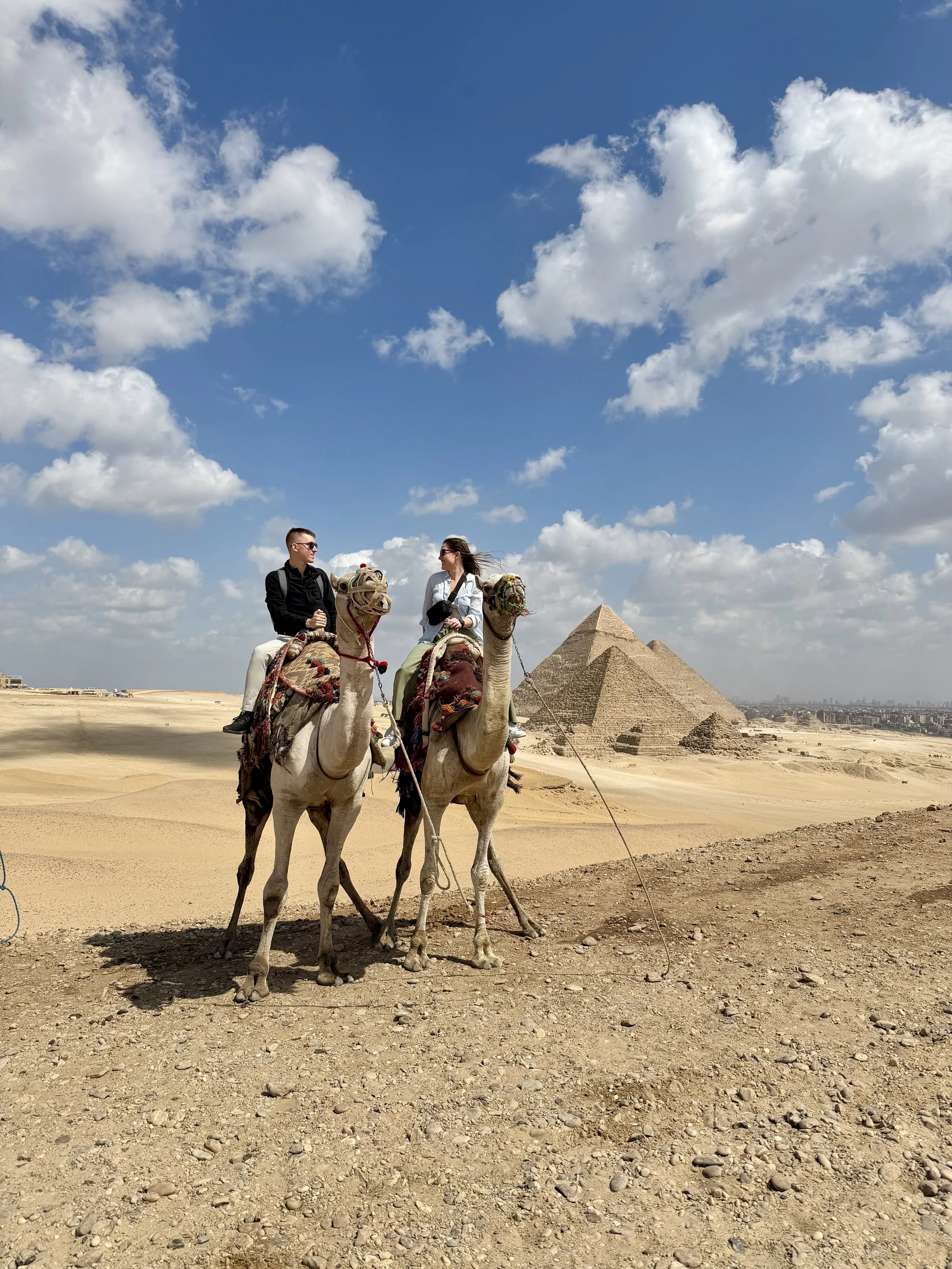
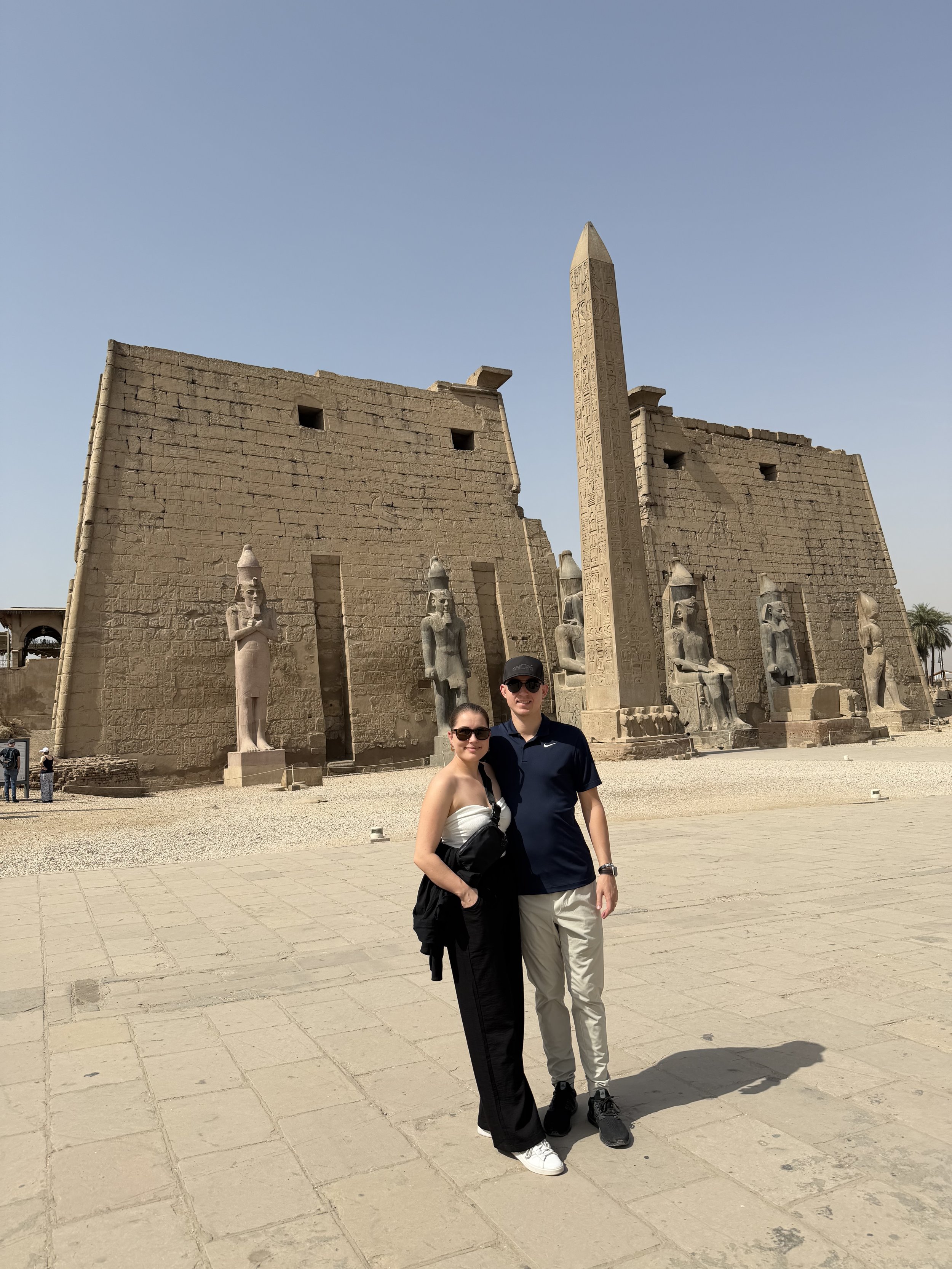
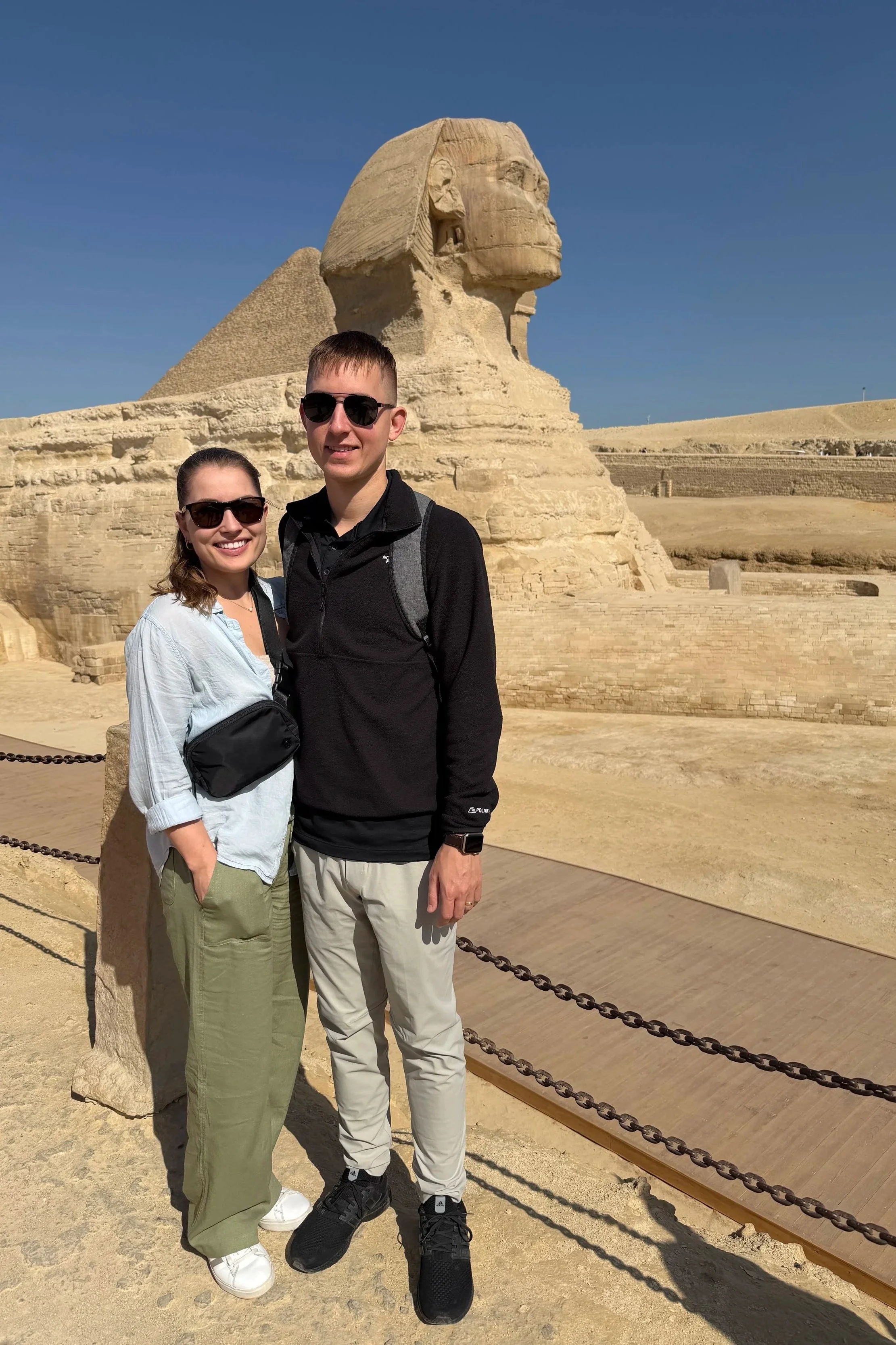
Last week, Ryan and I spent a week in Cairo and Luxor, Egypt, celebrating our one-year anniversary.
A lot of people asked, “Why Egypt of all places?” Even though I loved learning about ancient Egypt in history class when I was younger, I never imagined I would actually go. We were looking for a warm destination in March (surprisingly, most international locations are much cooler that time of year), and a couple of Ryan’s coworkers had recently gone and couldn’t stop raving about it. So, we decided to go for it.
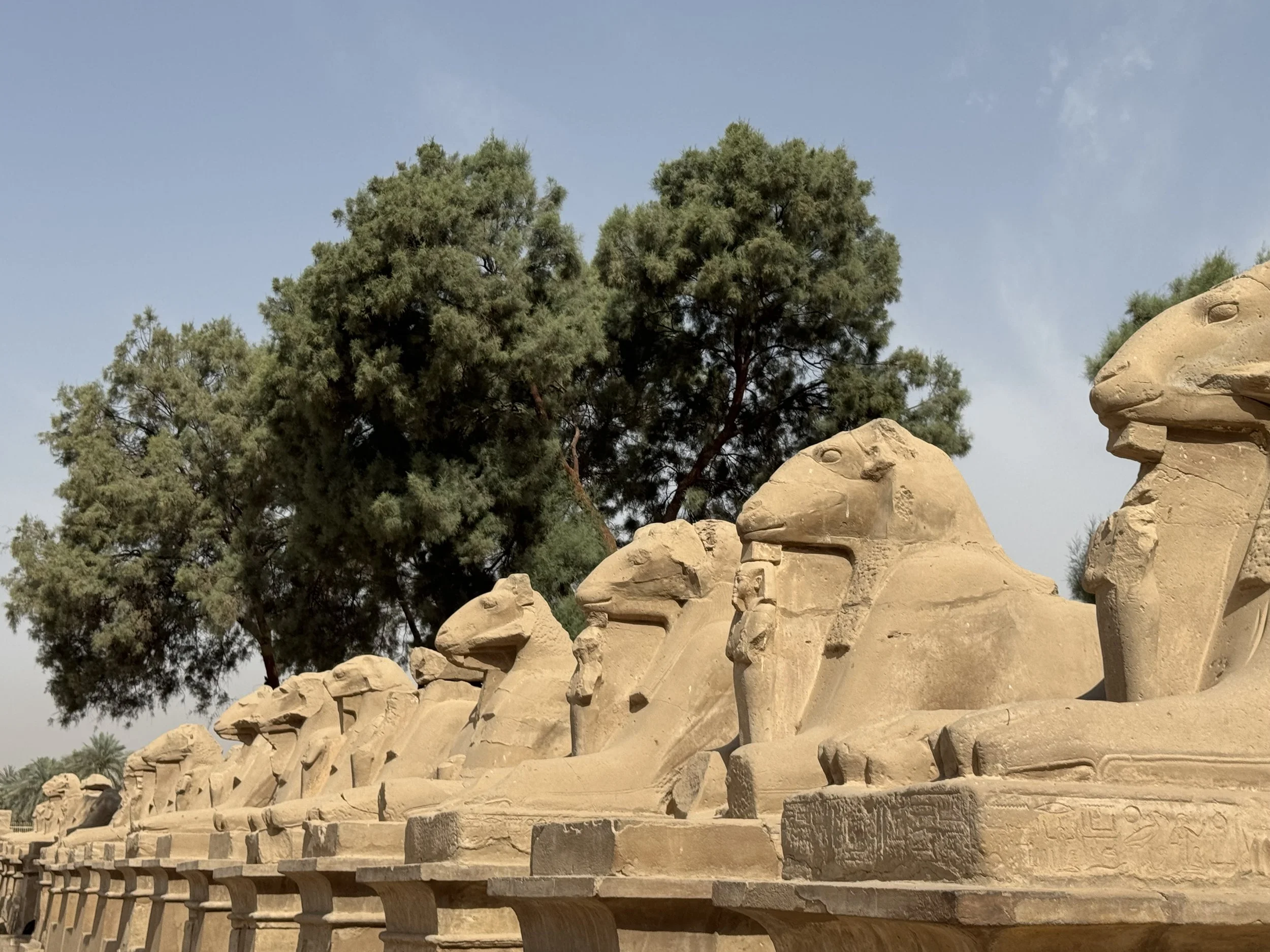
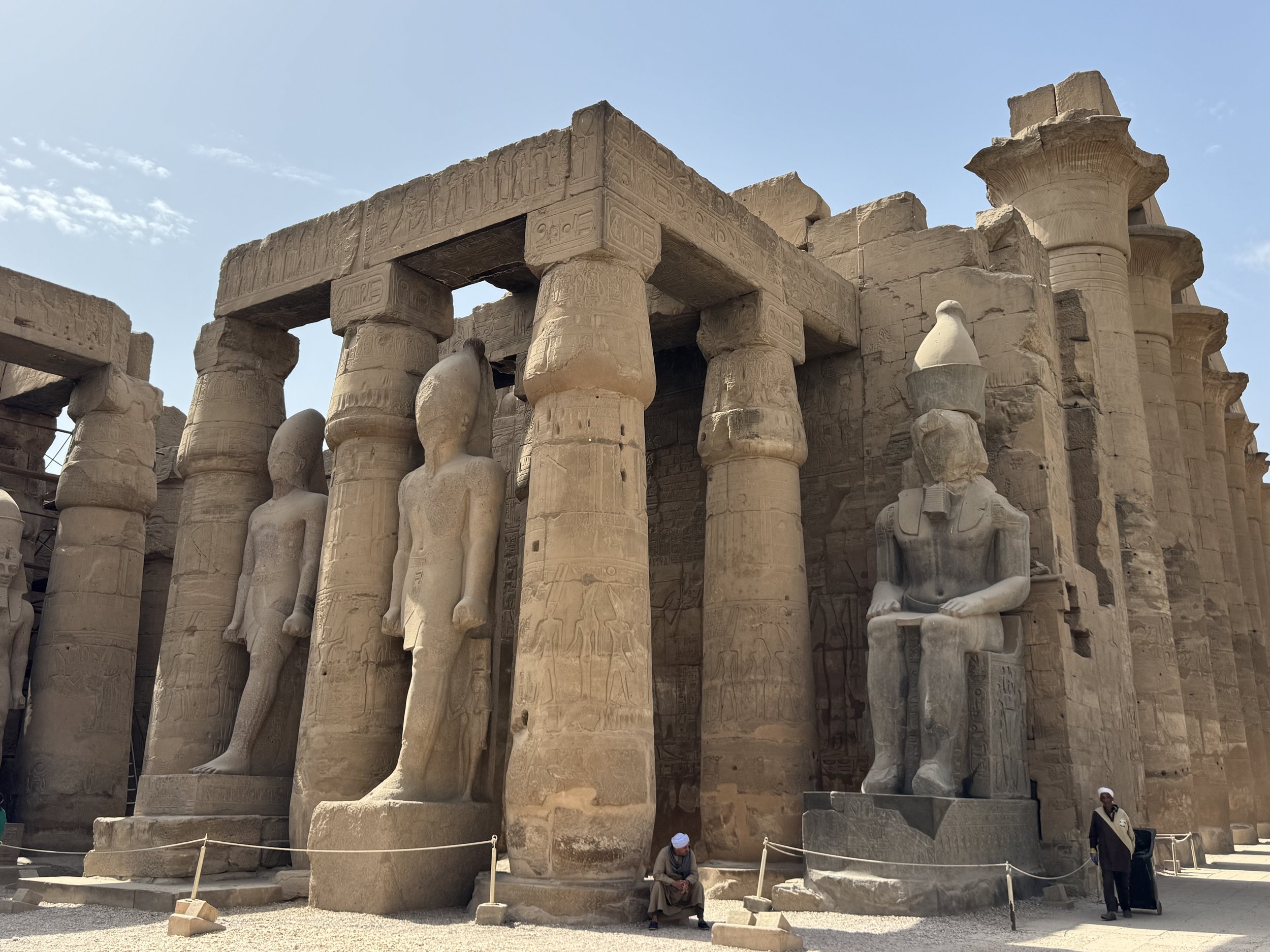
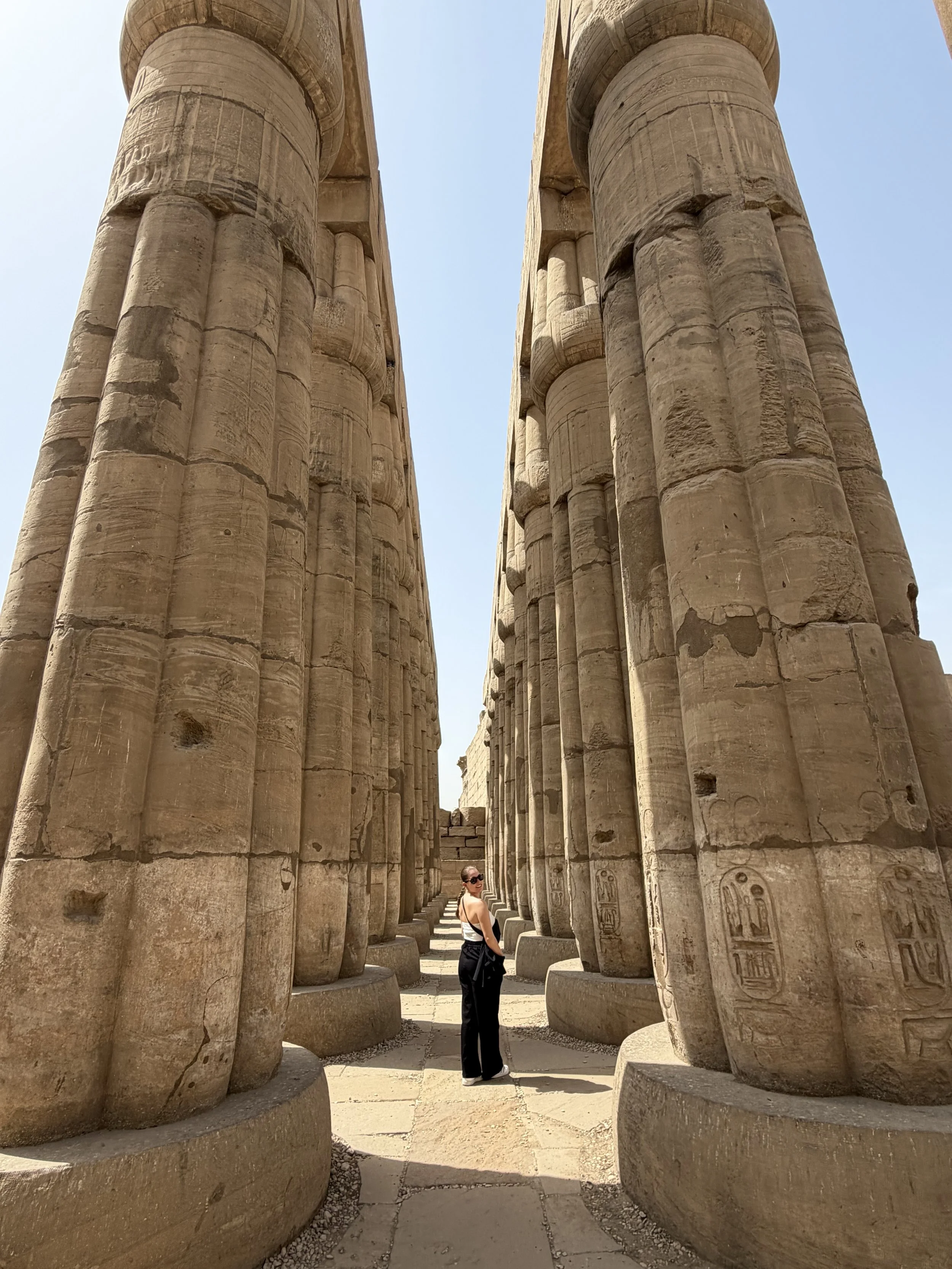
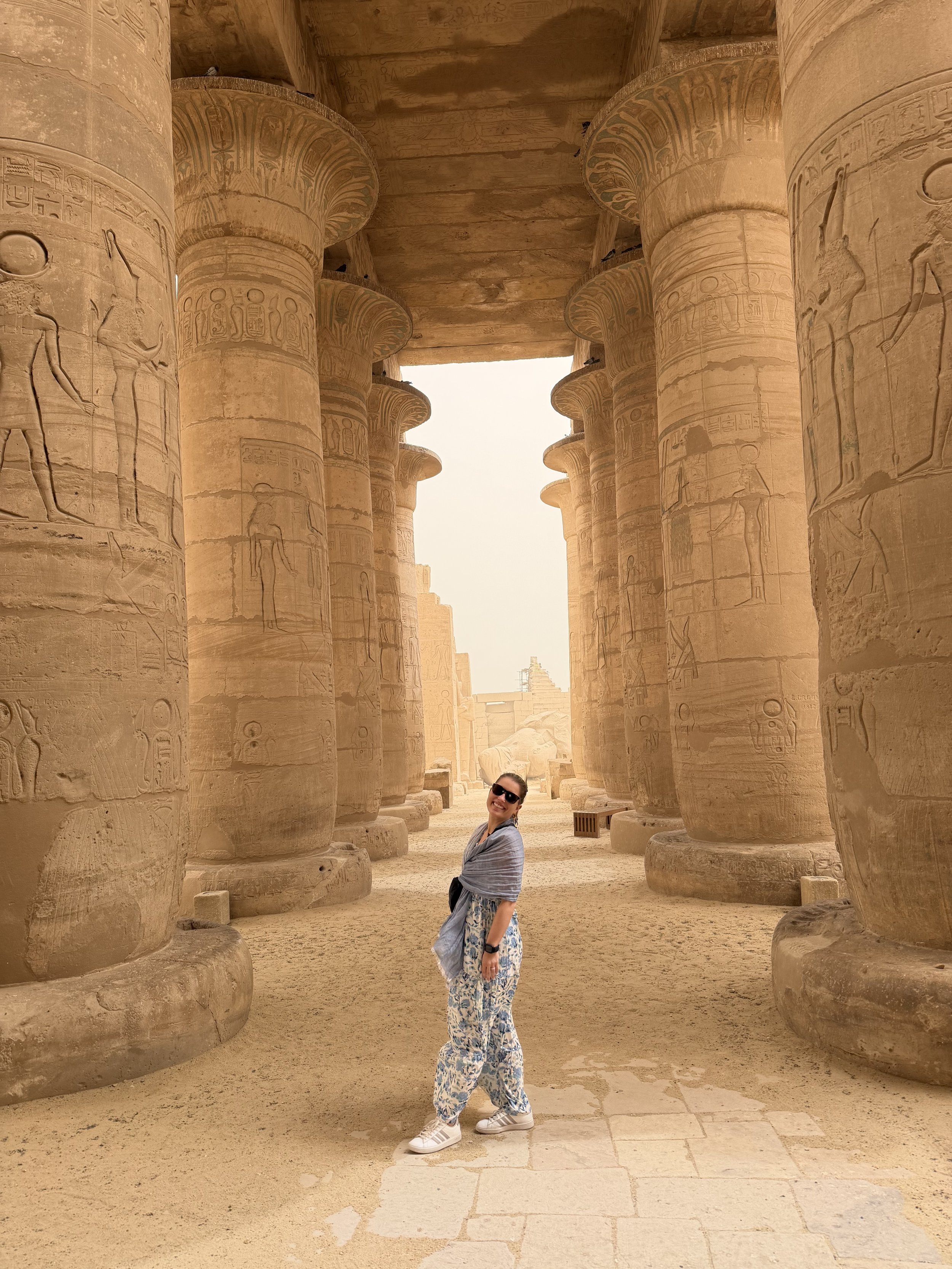
Our trip truly felt like a once-in-a-lifetime experience (complete with three sandstorms and some unexpected allergies). We explored a country where history feels frozen in time. We stood at the base of the Pyramids of Giza, rode camels in the desert, and admired temples, tombs, and artifacts that were once buried deep beneath the sand, preserved for thousands of years before being rediscovered.
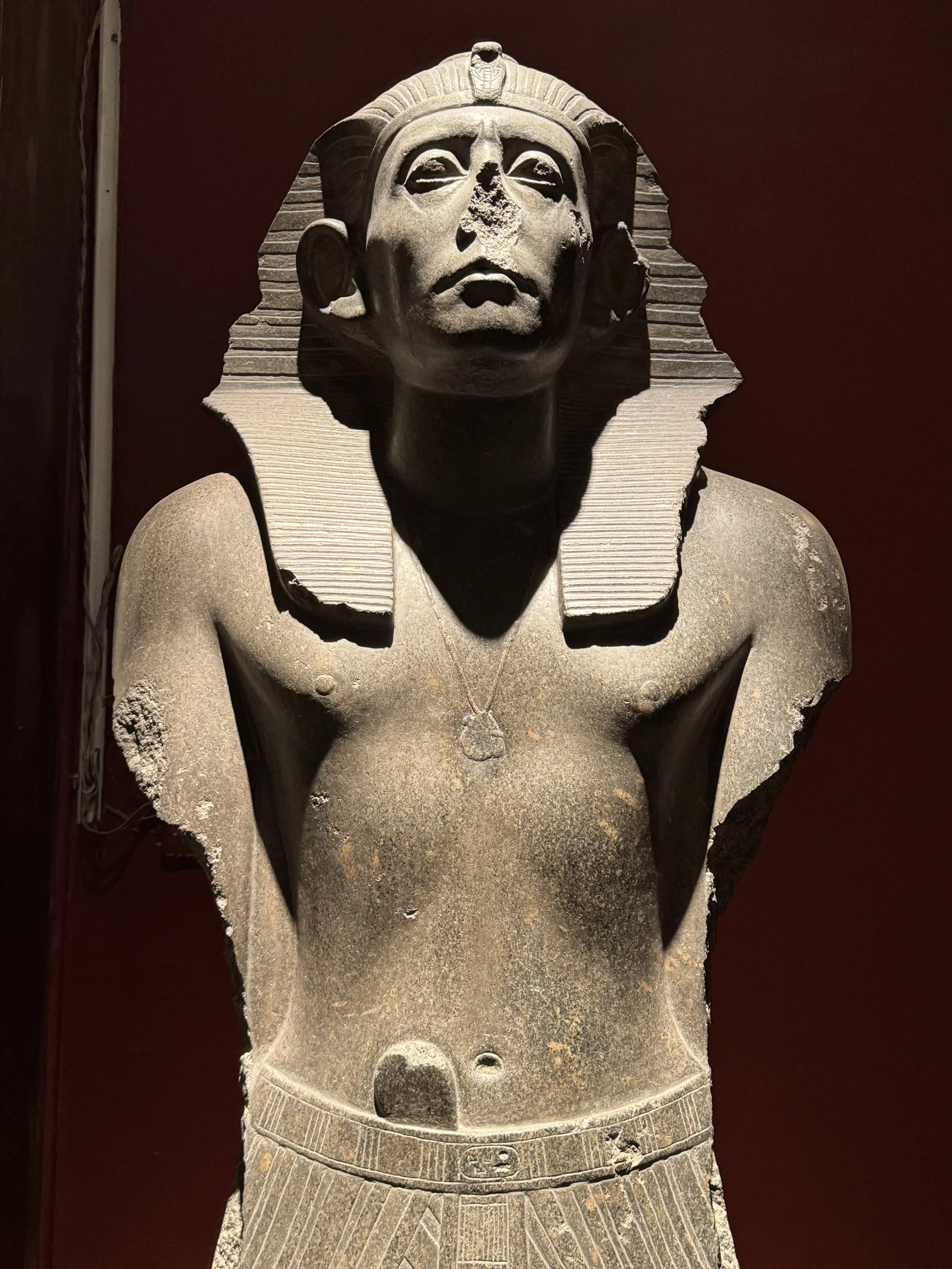
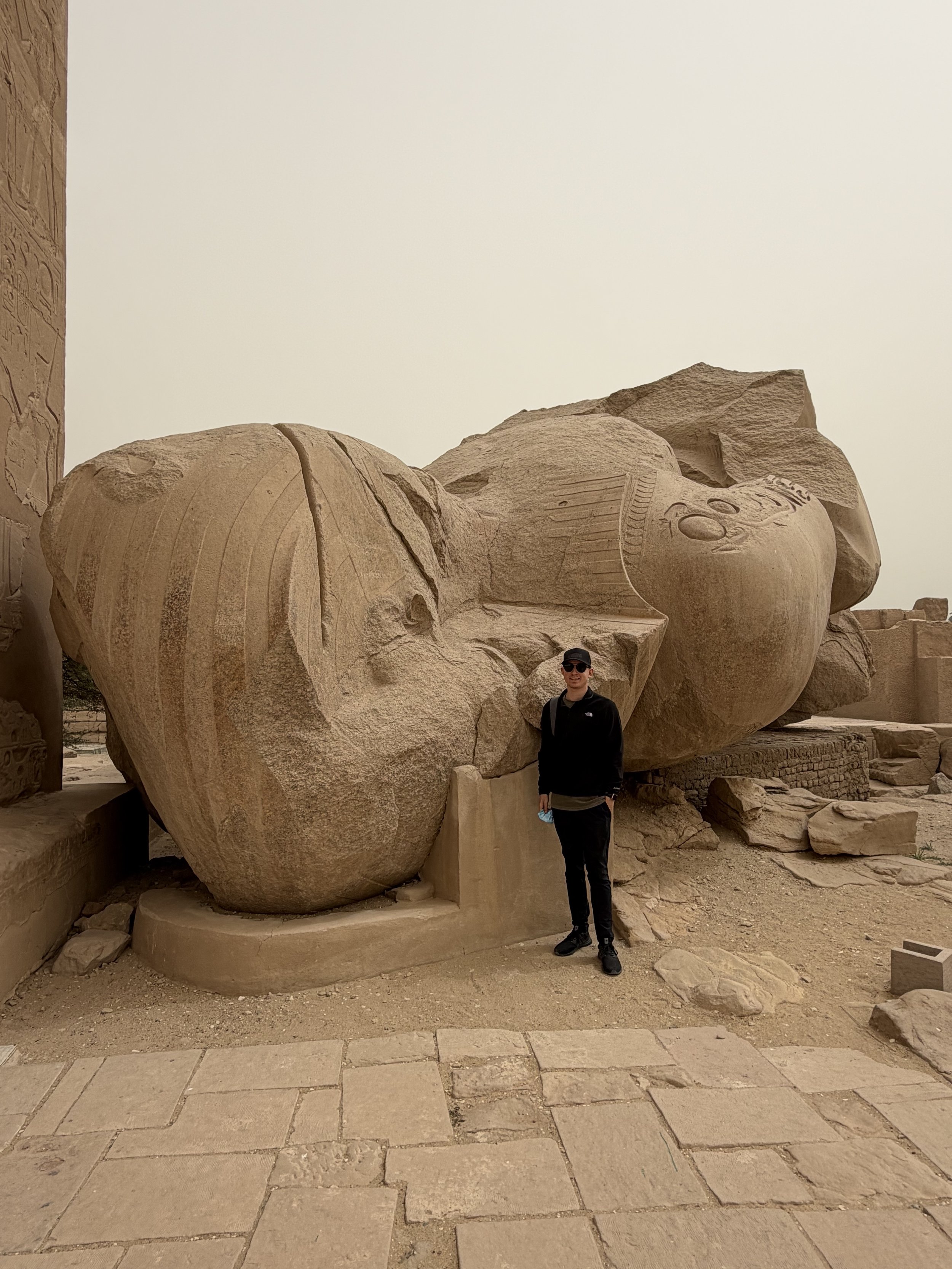
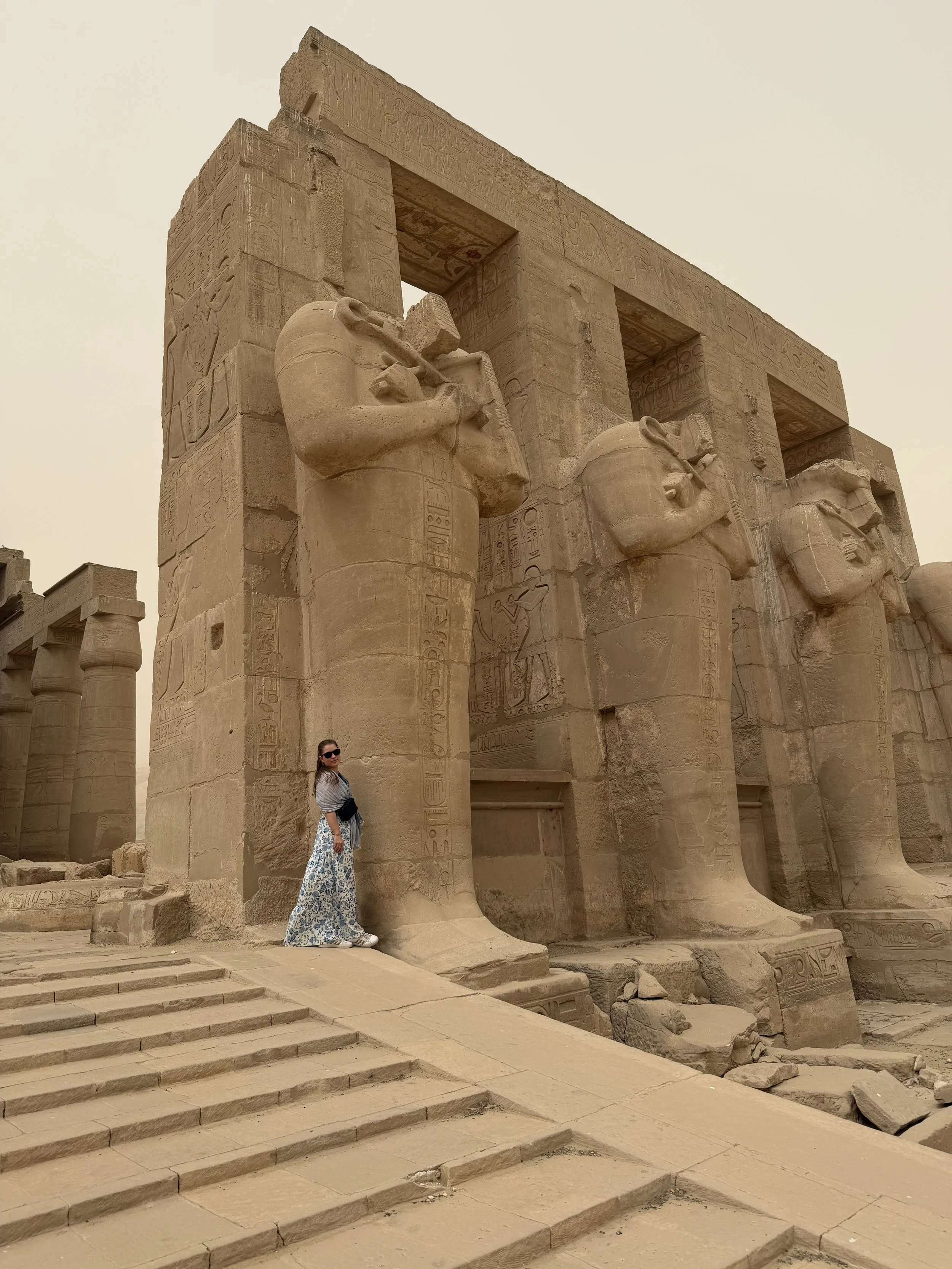
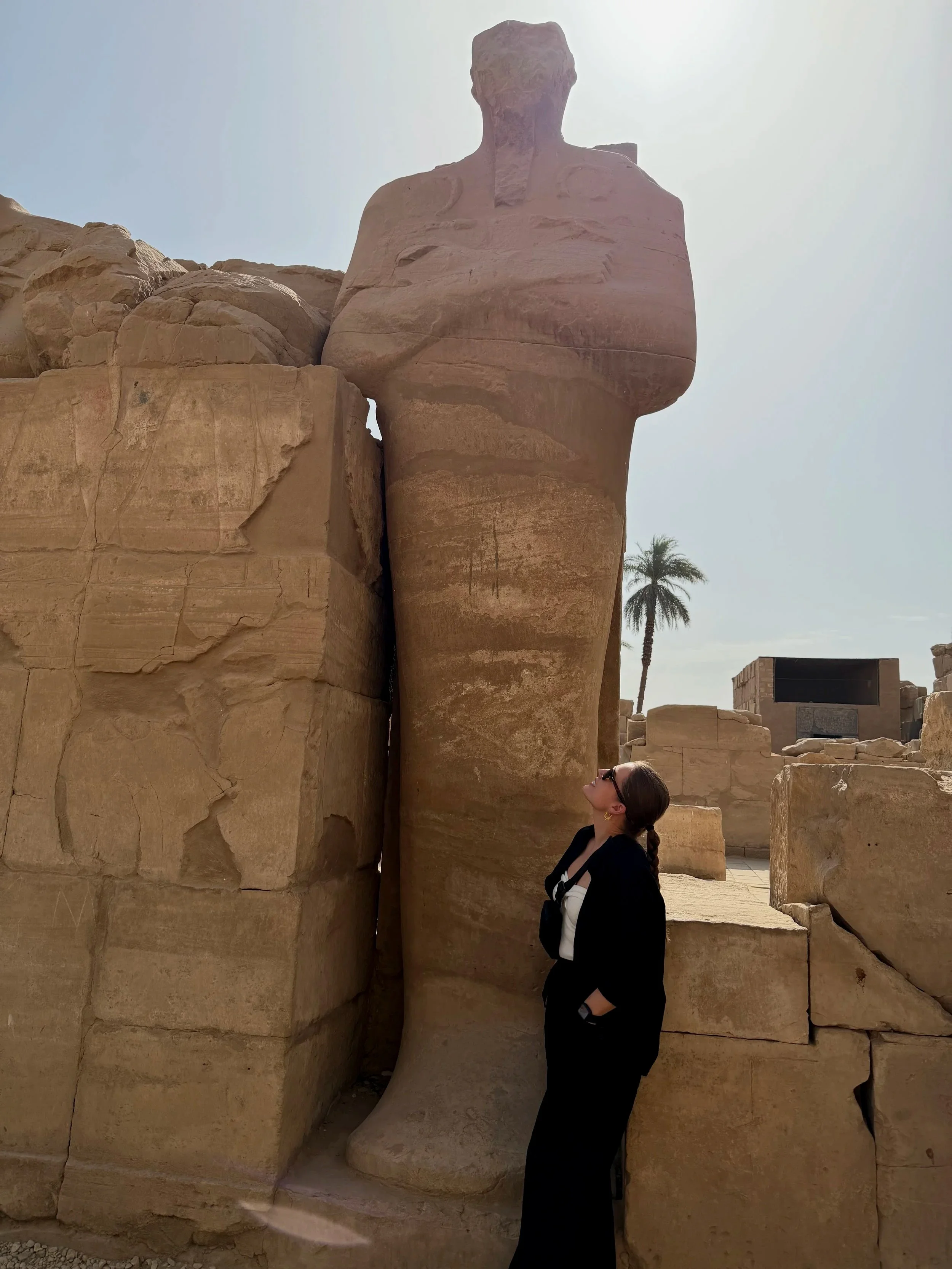
Seeing the sheer scale of the temples, fortresses, and sculptures that ancient Egyptians chiseled from stone with such precision and care was both mind-boggling and breathtaking. Many of the massive statues, built to honor reigning pharaohs and preserve their legacy, were carved from a single slab of granite or alabaster.
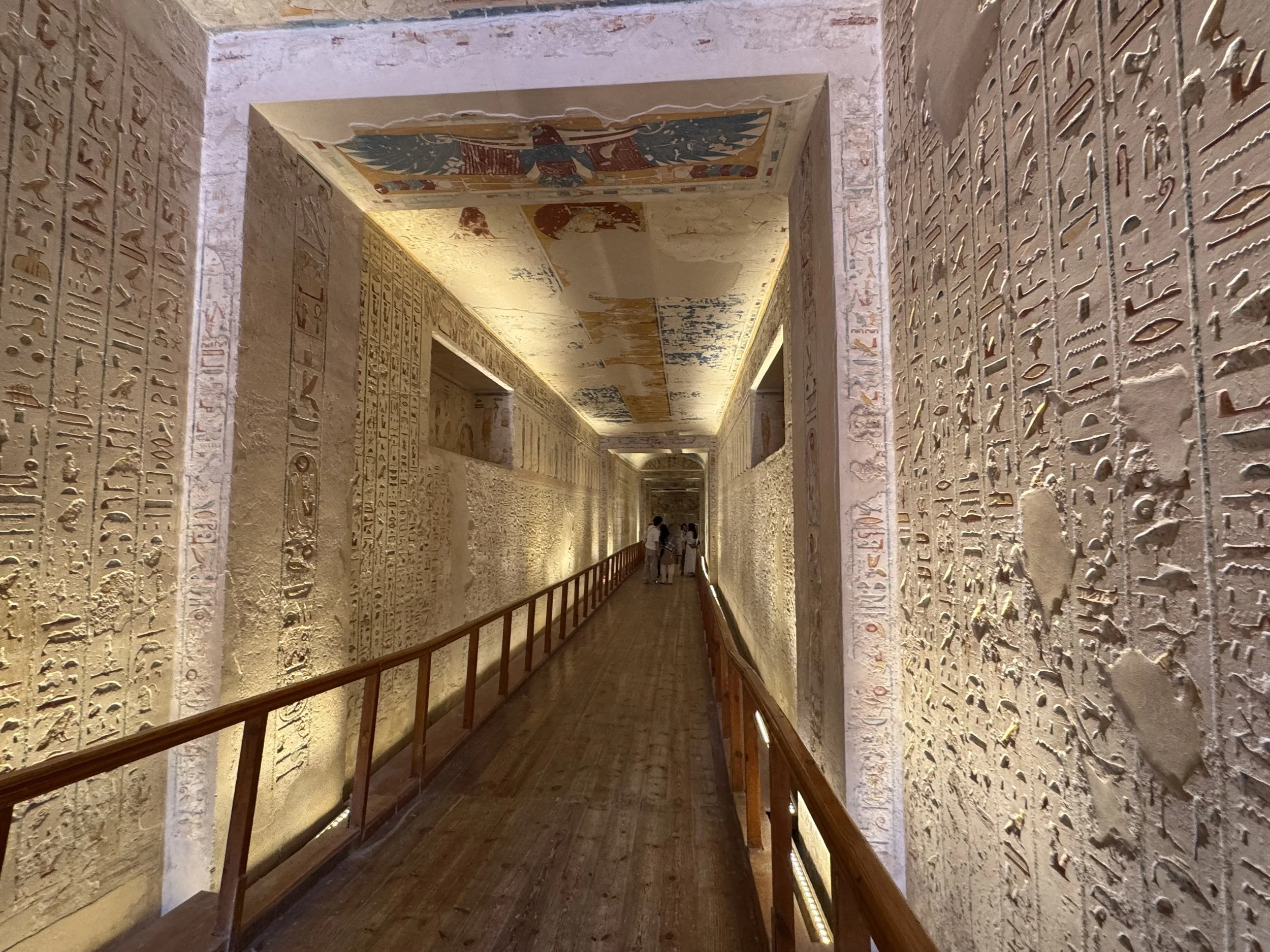
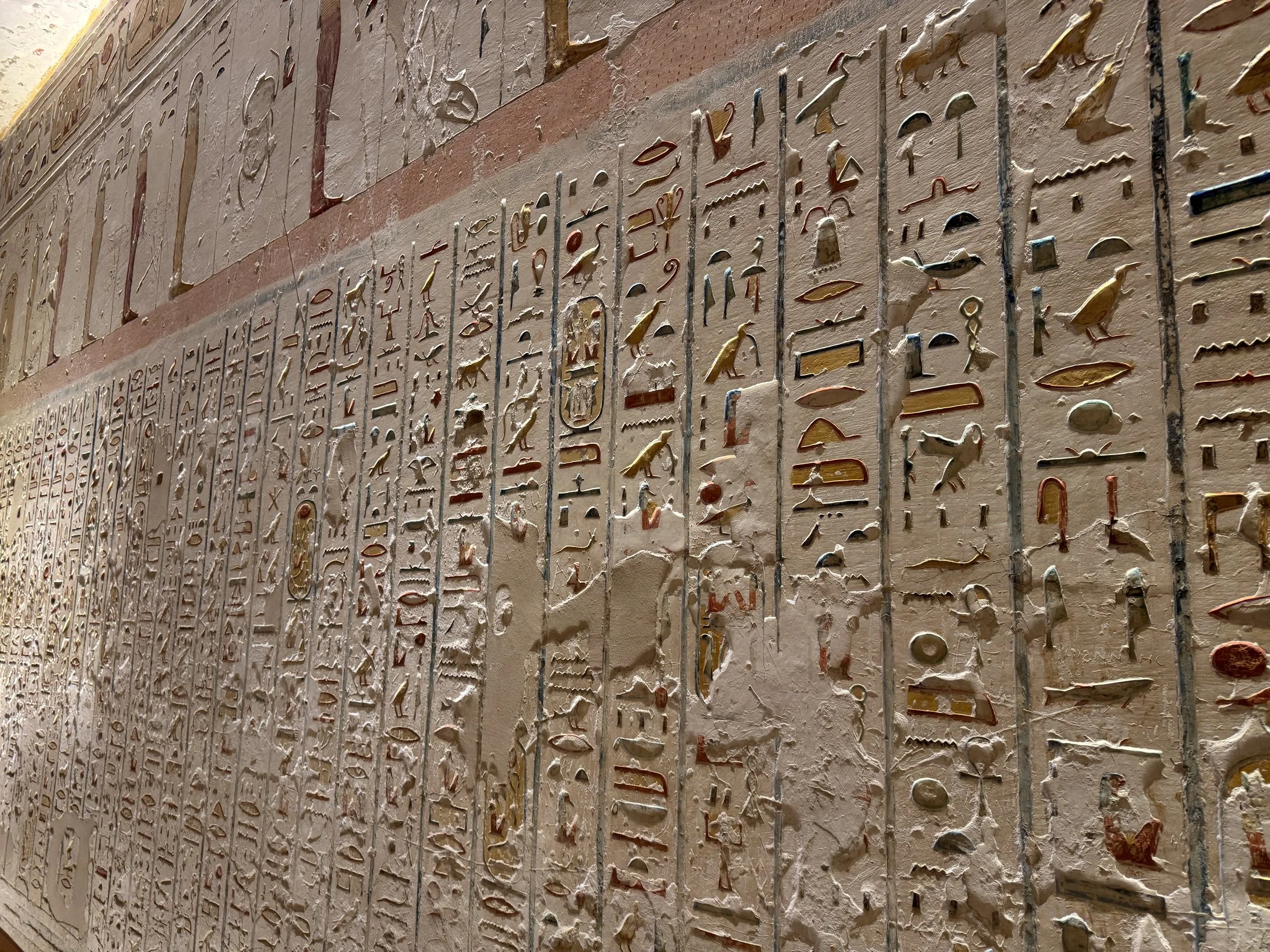
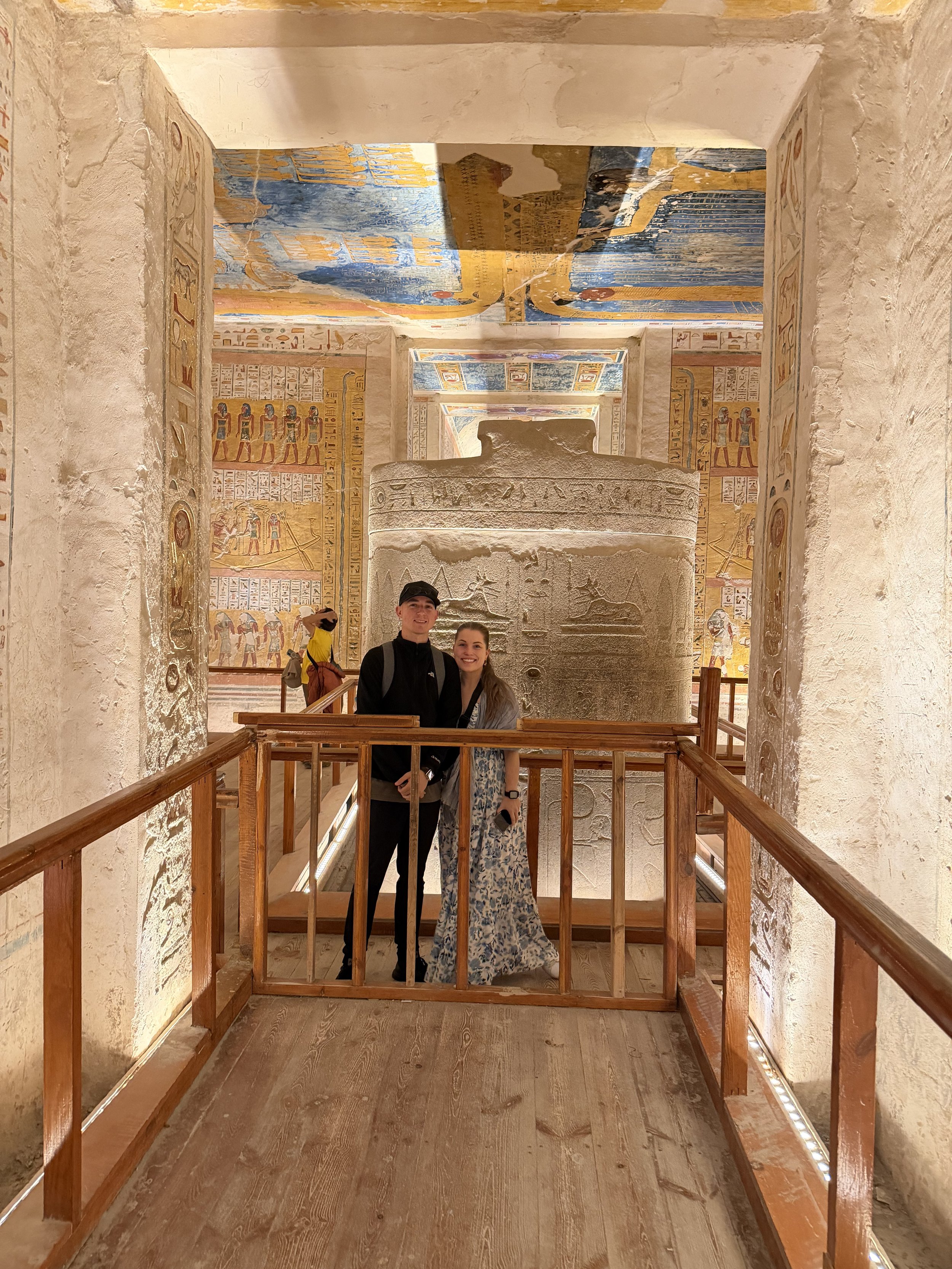
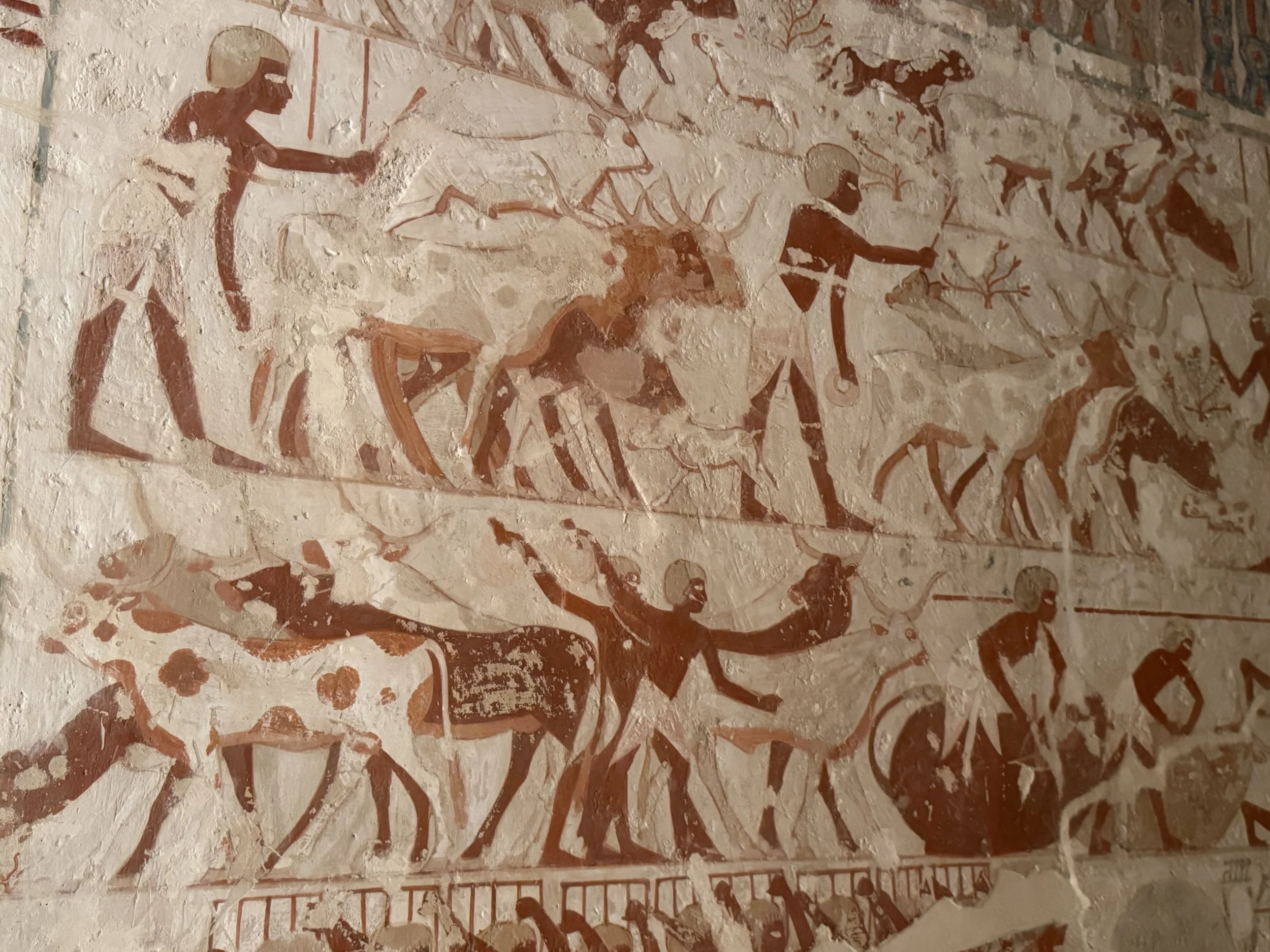
The impressive temples encapsulating these sculptures were designed with a purpose, built in phases, and took years, sometimes decades, to construct. Construction on the statutes, temples, and tombs for the Pharaoh and his family came down began as soon as the new Pharaoh’s coronation took place. Yet, Ryan and I stood in awe of the magnitude of the efforts still intact and the original color still visible after thousands of years.
Ancient Egyptians devoted their entire earthly lives to preparing for the afterlife. They accumulated treasures, built monuments, and focused on producing heirs—especially royal sons who could carry on the throne. One pharaoh we learned about had three royal wives, later married four of his own daughters, and fathered nearly 200 children. It was staggering to even imagine.
But the sad part was that the true concern was mainly for the eldest royal son (whoever that may be at the time based on their survival). When a Pharaoh built his tomb, the only accompanying tombs were built for his favored wife and his eldest royal son. The rest were largely absent from these elaborate preparations.
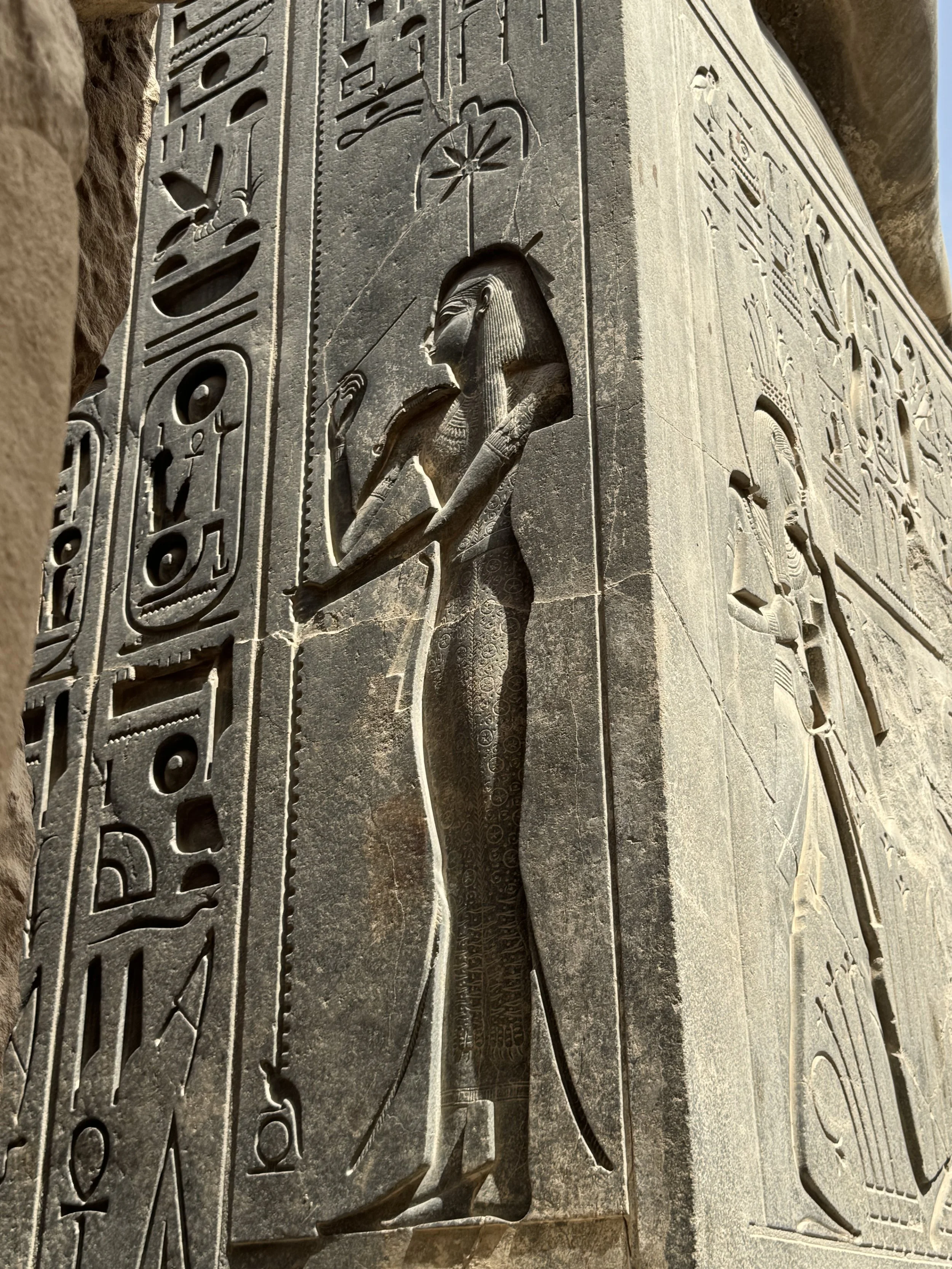
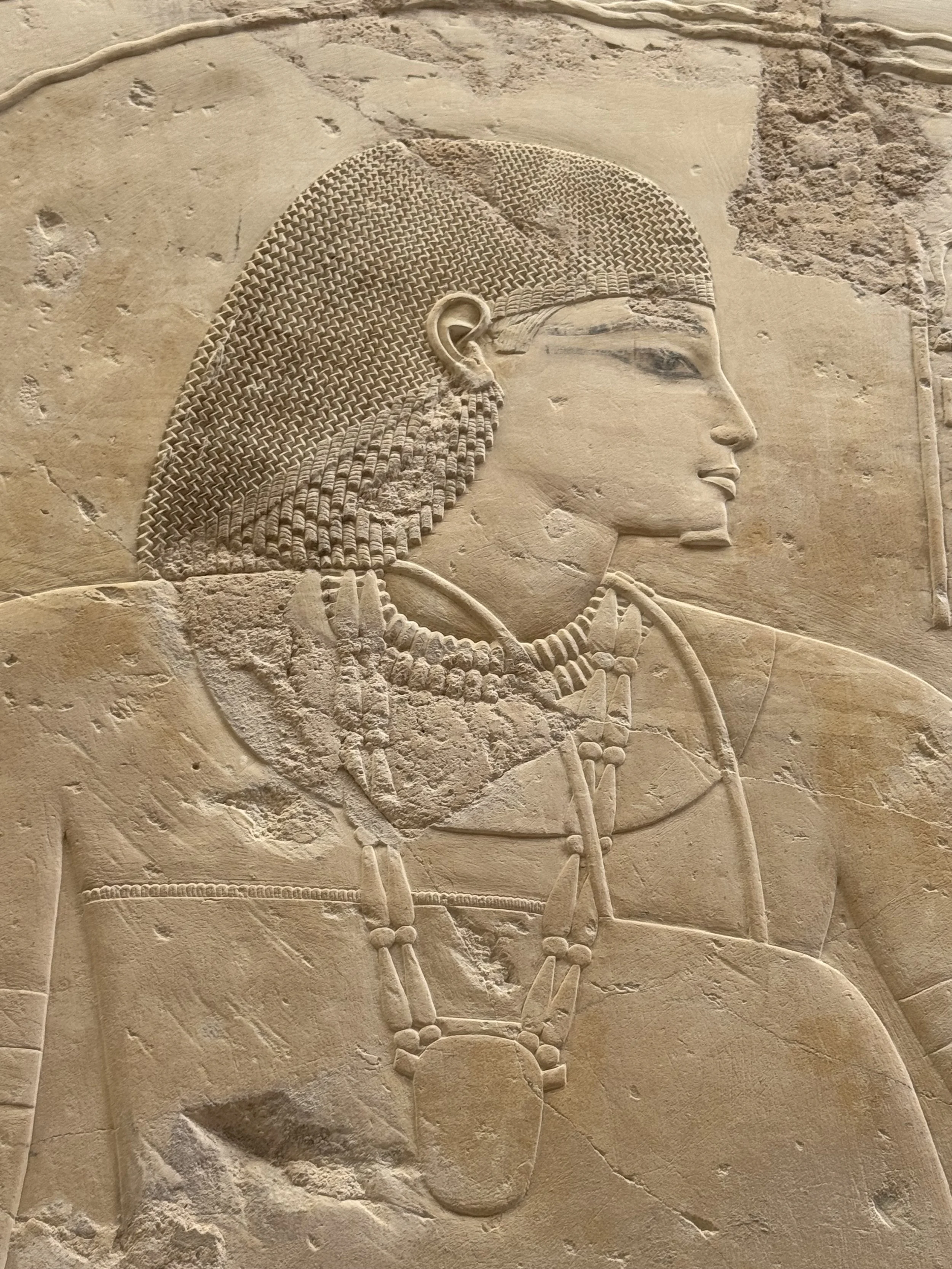
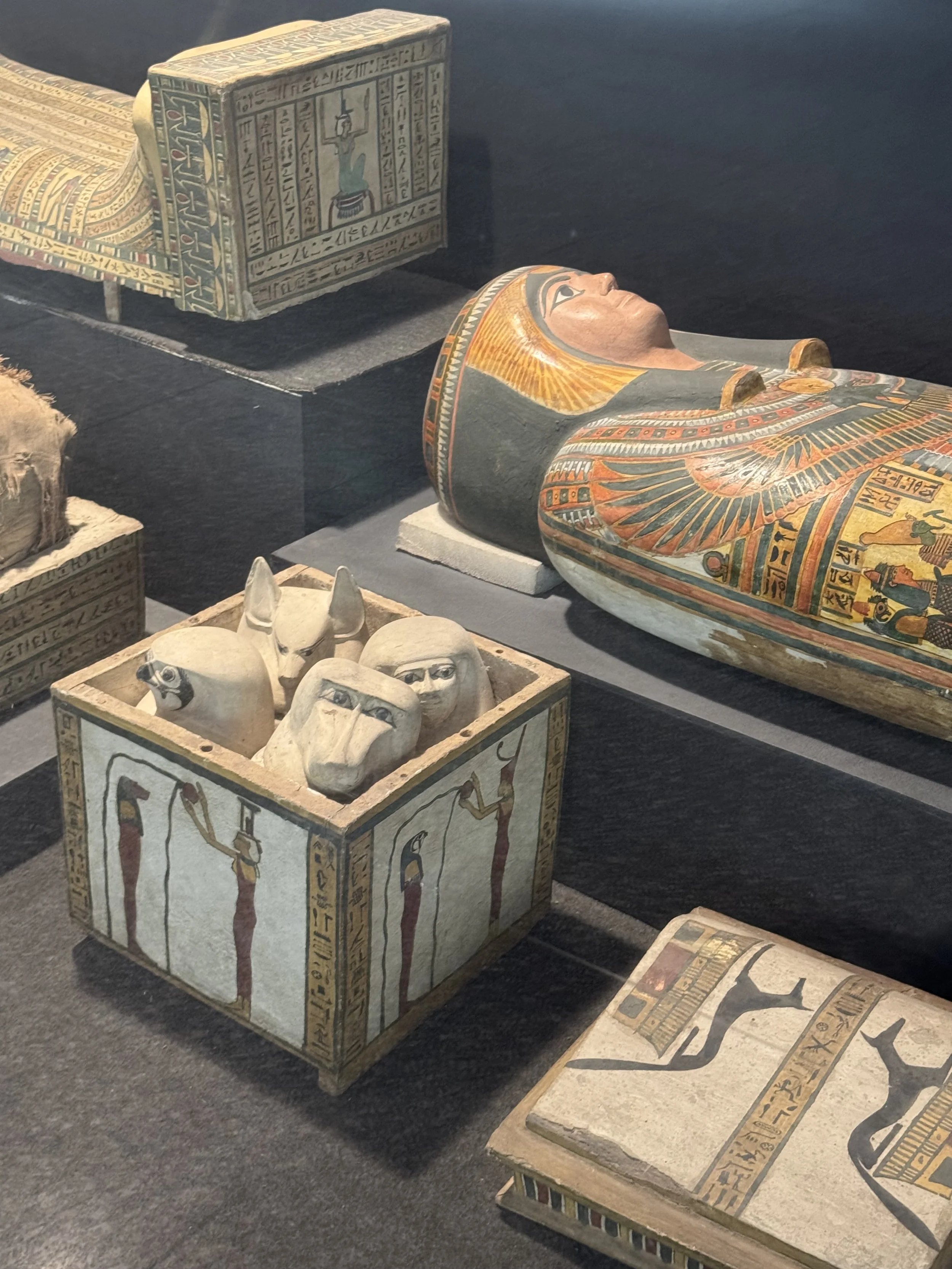
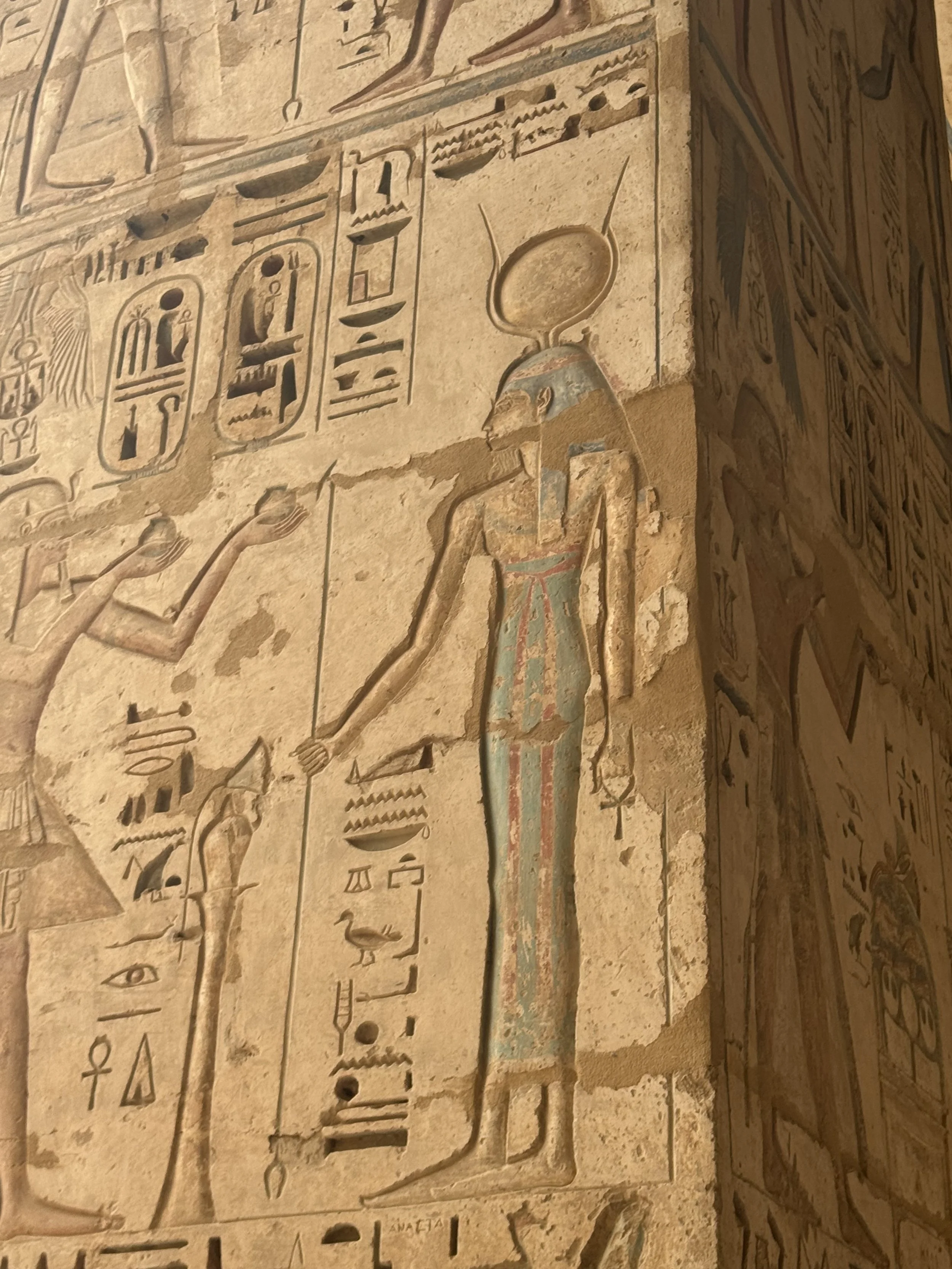
What struck us most, though, was the contrast between the immense effort and the outcome. With all their afterlife preparations and firm beliefs that their gods were going to bring them back to life if their heart was lighter than a feather at death, not a single one of these Pharaoh have returned from the death as they predicted in the hieroglyphic inscriptions (left literally everywhere). Egyptians etched vast tales of their lives, conquests, offerings, and proclaimed interactions with their many gods into their temples. Their tombs and sarcophagi were stocked with every type of earthly good and were inscribed with countless magical spells and prayers to their gods - all in hopes of securing a better afterlife.
Witnessing all these efforts by Pharaohs for hundreds of years left Ryan and I feeling sad for their confusion and devotion to fictional gods that possess no power whatsoever to bring them back to life.
Experiencing Egypt reminded me that our time on Earth is short, but this short period of our lives is not meant for storing up treasures on Earth in hopes of earning a spot in the afterlife (Matthew 6:19-21). Humans cannot earn their salvation by works alone. Not even by good works or the most meticulous of earthly preparations (Ephesians 2:8-9; Galatians 2:16; 2 Timothy 1:9; Romans 11:6). Salvation and eternal life in Heaven is a gift of grace obtained through Jesus alone (John 14:6; Romans 6:23; Acts 4:12).